The Parlour’s Place in the Home, Reconsidered Through a Week
The parlour’s place in the home can change with family life; use a week-long room review to decide whether a dedicated guest space still serves you.
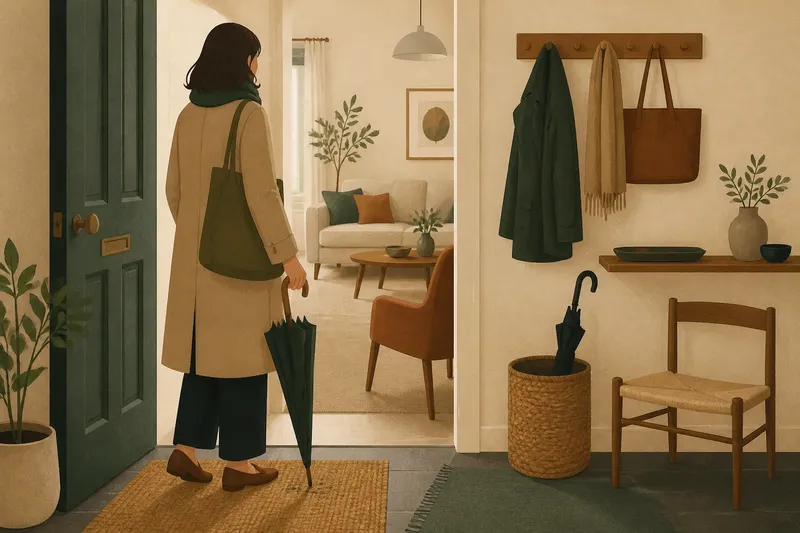
A coat lands on the chair by the door, while the front room stays untouched until someone visits. A week-long review of the parlour’s place in the home can help you decide whether to keep it for receiving guests, share it with another activity or give it a different role.
The word “parlour” has been used for rooms where people gather and receive visitors, but the arrangement has never been identical in every home or period. In some households, a parlour was kept apart from everyday family activity; elsewhere, the name and use differed. Rather than treating one historical pattern as universal, it is more useful to ask what your household needs from the room now.
What did a parlour make possible?
A separate room could offer a place for conversation without bringing visitors through every part of the home. It might be kept ready for callers or used for occasions that felt more formal than an ordinary family evening. That arrangement made hospitality visible, but it also asked the household to care for a room that might otherwise see little use.
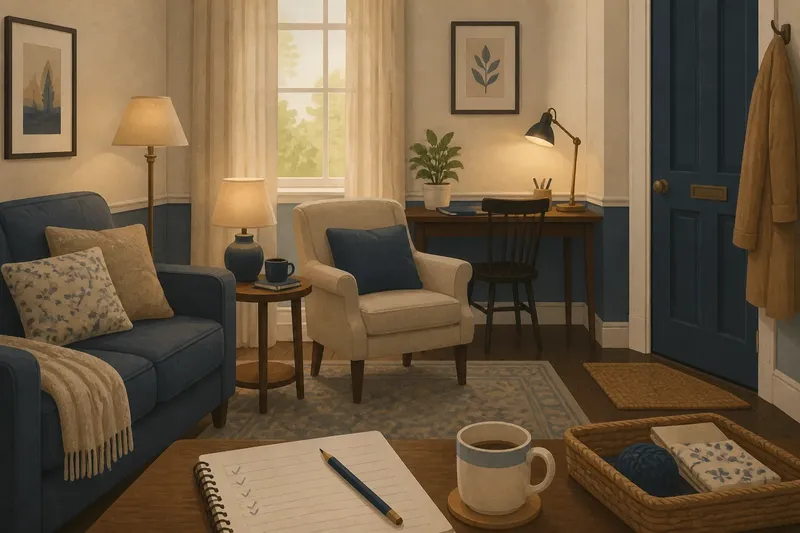
Rooms and routines vary, so there is no single path from a traditional parlour to a present-day living room. A front room may now serve as a shared sitting area, a place for television or a flexible space for work and hobbies. In a smaller home, a clear chair, a lamp and a surface for a cup can offer a welcome without a separate room.
Think of “parlour” as a possible function rather than a fixed furniture style: a place where people can sit together with attention given to the visit. Privacy, a calm place to talk and a comfortable seat may still be useful; keeping the room untouched may not be.
How can a week reveal what the room is for?
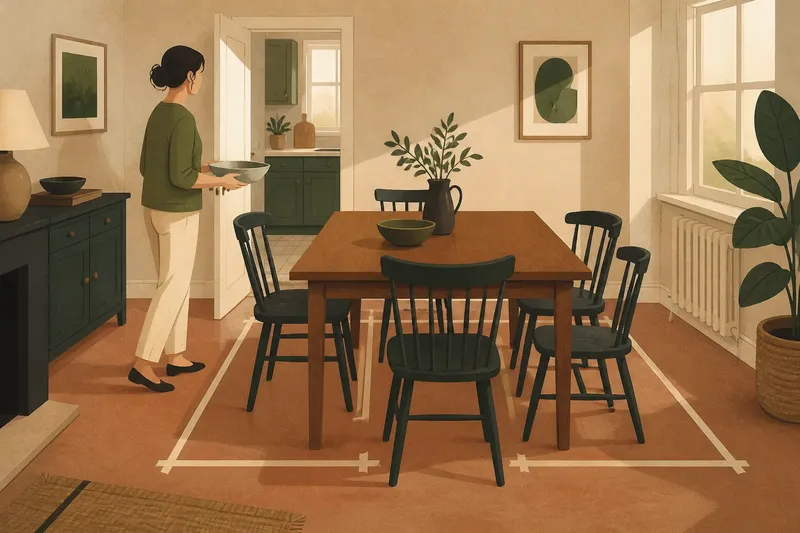
For seven ordinary days, make a brief note each evening about how the room was used. Record the activity, who used it and what helped or got in the way. Leave the arrangement as it is during this period, so your notes describe ordinary habits rather than a room staged for visitors.
- Access: Notice whether the room is easy to reach from the entrance. If a guest must pass through a private area, then consider another seating place near the door; otherwise, keep the current route.
- Seating: Check whether two people can face one another and whether there is a surface for a cup or book. If either is missing, try turning the chairs or adding a small table; otherwise, leave the seating as it is.
- Everyday use: Record whether anyone reads, sews, works or rests there without visitors. If a regular activity appears, then make space for it; if not, keep the room available for other uses.
- Interruptions: Notice whether household traffic cuts through the room. If it repeatedly disrupts a conversation or quiet task, then consider a different seating position or room; otherwise, retain the current arrangement.
- Stored items: Check whether objects are left there because it is convenient or because they have no other home. If they crowd the seats or table, then assign them a basket or another storage place; if they are used there, keep them within reach.
- Preparation: Notice what must be moved or cleared before a visit. If preparing the room feels like a recurring chore, then reduce or contain the items that cause it; if little needs doing, keep the present routine.
- Quiet and privacy: Ask whether anyone uses the room for a private call, reading or a retreat from household noise. If so, preserve that quiet function when rearranging; if not, consider whether another household activity would serve the space better.
Keep the notes plain rather than judging the room. “Used for a quiet call; lamp was useful” gives you more to work with than “not cosy enough”. Repeated family use points towards a shared role, while repeated difficulty finding somewhere peaceful to talk may favour retaining a distinct receiving space.
What should you do when the room serves nobody?
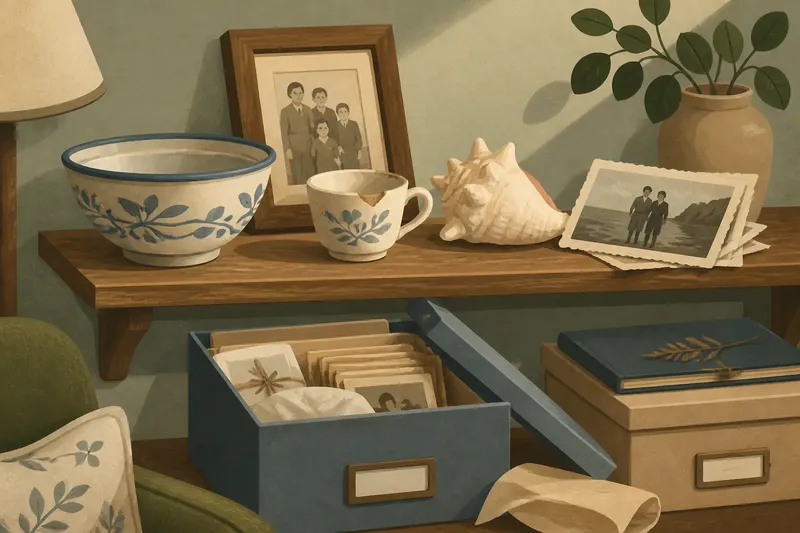
First distinguish an unused room from one that serves a less visible purpose. It may be the only place where someone can take a private call, read away from noise or welcome a visitor who cannot manage stairs elsewhere. Ask each household member what they use it for and what they would miss before deciding that its quietness means it is unnecessary.
Say you live in an invented household where the front room is used mainly for occasional visits, while one person needs a quiet place to work. The starting point is a sofa, a reading lamp and a clear route from the door to the seats. The household adds a compact desk that can be cleared, keeps the sofa and lamp, and tests the arrangement during ordinary days; the expected observable result is a usable work surface that can be cleared for conversation. The trade-off is less open floor space, so if the route feels crowded, the desk should move elsewhere or be replaced with a smaller surface.
If visits are rare and the room is difficult to maintain, consider sharing it with a regular household activity rather than preserving a formal appearance. A writing table, sewing basket or bookcase can make the room useful without taking away its capacity to receive someone. Choose items that can be put away or shifted easily; bulky equipment can make a flexible room feel permanently assigned to one task.
How do you keep a guest room welcoming and lived in?
Start with a visitor’s basic comfort: a seat facing the person they are speaking to, a nearby place for a cup and lighting that does not rely only on a bright ceiling fitting. A table lamp, a small side table and a washable throw can support an everyday sitting room as well as a receiving space. Leave a clear route through the room rather than asking people to steer around furniture.
Then decide how the room returns to everyday use. A lidded basket can hold craft materials; a shallow tray can gather papers that need to move before a visit. The aim is not to hide every sign of family life, but to make it easy to clear the seat and surface a guest will use.
Some households prefer a more formal room because the separation feels meaningful. Others want the front room to be the most-used space in the home. Neither arrangement is inherently more hospitable: the better fit is the one that lets people gather without leaving one person with an unreasonable amount of preparation.
What do people ask about a parlour?
Is a parlour the same as a living room?
The words overlap, but they can suggest different uses. “Parlour” may imply a room set aside for receiving visitors, while “living room” often describes a shared everyday space; one room can serve both roles.
Does a modern home need a separate parlour?
No separate room is required for thoughtful hospitality. A comfortable place to sit and talk can be arranged in a living room, dining area or another shared space, according to the home’s layout and the household’s needs.
How can a small home make room for visitors?
Choose seating that is easy to reach and clear a modest surface for a cup or belongings. If space is tight, a stool or side table that can be moved aside may serve better than furniture kept in place for infrequent use.
What is the difference between a parlour and a drawing room?
Both terms have been used for rooms where people receive and entertain visitors, though meanings have varied across households and periods. For a present-day decision, the room’s actual use matters more than choosing a historically precise label.
When should you change the arrangement?
At the end of the week, choose one change that answers a repeated need rather than a single inconvenience. If conversation is difficult because chairs face away from one another, turn them towards a shared centre. If household work keeps taking over the room, give its tools a defined home elsewhere or contain them in a basket that can be moved.
Try the change through another ordinary week before making a larger commitment. Notice whether the room is easier to use, whether visitors can settle without fuss and whether anyone has lost a useful quiet corner. If the new arrangement creates a different problem, adjust the furniture or the room’s role rather than treating the first decision as permanent.
The parlour’s place in the home need not be fixed by tradition or by a wish to keep every room available for guests. A considered room can remain a dedicated retreat, become a shared living space or combine both roles. When you review the parlour’s place in the home, keep an eye on who does the clearing and preparation: a welcoming arrangement should not depend on one person quietly carrying all the work.