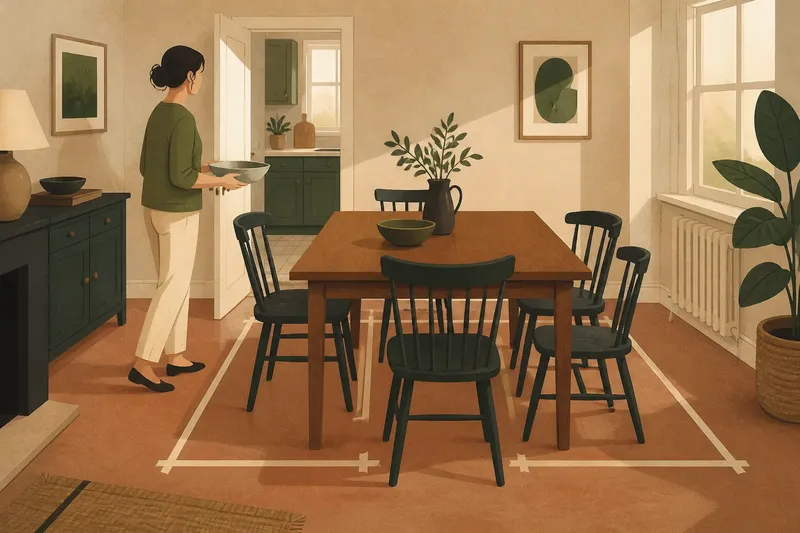
A Winter Supper with One Quiet Centrepiece
Plan a winter supper with one quiet centrepiece that sets a warm mood while keeping serving dishes, sightlines and conversation comfortably clear.
As guests settle around the table, a pot of soup arrives from the kitchen and needs a clear place to land. A winter supper with one quiet centrepiece can make the room feel considered without competing with the meal: choose a low focal point, then leave the useful space open.
What makes a centrepiece feel right for winter supper?
A fitting centrepiece gathers the eye without taking over the table. In winter, a small arrangement of bare branches, a shallow bowl of clementines or a cluster of unscented candles can echo the season while keeping attention on the people and food.
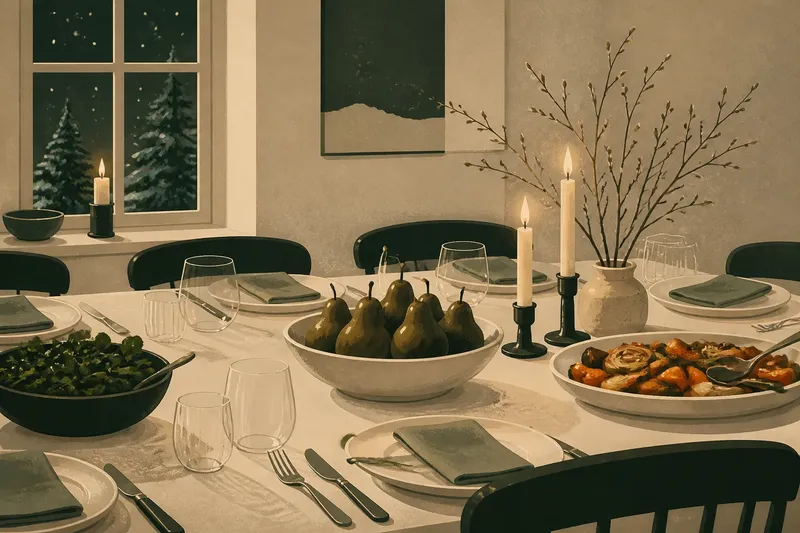
Choose one main idea rather than combining every seasonal object at hand. A bowl of dark pears, for instance, has its own shape and colour; adding pine cones, a garland and several ornaments may turn the table into a display that guests have to look around.
Let the room guide the choice. If the dining room already has a patterned cloth or a bright painting, a plain ceramic bowl may be enough. A simple linen runner can anchor the arrangement on a bare wooden table, but it is not essential.
How low should the focal point sit?
Keep the centrepiece low enough that people can see one another across the table while seated. A shallow bowl or compact vessel usually makes this easier than a tall arrangement, and it leaves the table’s centre available for dishes passed from hand to hand.
Check the view from the chairs, not only from a standing position. Sit at the places opposite one another and look across the arrangement. If it blocks faces or makes eye contact awkward, remove height or spread the materials less widely.
Also consider the practical shape of the table. A narrow arrangement running along the middle can suit a long table, while a single bowl may be better on a round one. Either way, keep the ends and the spaces in front of each place setting clear.
What should the centrepiece be made from?
Use materials that suit the meal and are easy to live with. A low ceramic bowl, a small glass vase with clipped branches, or a few candles in stable holders can all work. Choose unscented candles so their fragrance does not mingle with the food, and avoid loose elements that roll into plates or glasses.
Fresh greenery can bring texture, but it need not be elaborate. A few sturdy leaves or clipped evergreen sprigs arranged in a shallow dish make a quiet centre. If using natural materials, remove anything damp or shedding, and keep foliage clear of candle flames.
Fruit is another useful option because it can be moved easily when serving begins. Choose firm fruit with a tidy surface, and place it in a bowl that does not wobble. The arrangement should be simple to lift away in one motion if a serving dish needs the space.
How can the table stay ready for serving?
Plan the table around the dishes that will actually arrive, rather than decorating every open patch. Set out plates, glasses and cutlery first, then decide where the centrepiece can sit without narrowing the route for platters or making guests reach across it.
Keep shared food within comfortable reach and reserve a landing place for dishes. A sideboard, kitchen counter or small serving trolley can hold extras, so the table does not have to carry every bowl at once. If there is no sideboard, bring dishes in as needed instead of setting them all out before guests sit down.
Say you are serving roast vegetables from a broad platter alongside a bowl of greens. Place the low fruit bowl at the centre, then leave a clear space at one end for the platter; when the meal begins, the fruit bowl can move to the sideboard and the greens can take its place. The visible result is a table that feels composed before supper and remains workable once food is served.
How do candlelight and scent fit into a winter meal?
Candles can make a winter table feel warm, but the light should help people see their food and one another. Use a modest number in stable holders, set well away from sleeves, foliage and anything likely to shift as dishes pass. If the table is already softly lit, a single candle may be sufficient.
Avoid strongly scented candles, diffusers or fragrant flowers at the table. Food has its own aromas, and a scent that seems subtle in an empty room may become distracting during supper. If you want a seasonal fragrance, place it elsewhere and allow the dining area to remain neutral.
Where product labels, maker instructions or local fire-safety rules apply, follow them; do not leave a lit candle unattended.
What if the table is small or the meal is informal?
On a small table, the best centrepiece may be a single object that can be lifted away before serving. A small bowl, a compact vase or one candle in a secure holder gives the setting a focal point without claiming space needed for plates and glasses.
For a casual supper, the arrangement can be as simple as a folded linen napkin beneath a bowl of fruit. Avoid adding decorative pieces merely to fill gaps. Clear table space is part of the welcome: it lets guests put down a glass, pass bread and settle into conversation without asking where things should go.
If the meal includes children or a particularly lively exchange of dishes, choose an unbreakable, steady object or leave the centre bare. A quiet centrepiece is an option, not a requirement; the table can feel complete through its cloth, crockery and shared food alone.
Which small decisions help a winter supper feel settled?
Should the centrepiece match the crockery?
It need not match exactly. Repeat one colour or material from the plates, glasses or table linen, then let the rest remain plain so the arrangement feels connected rather than coordinated from edge to edge.
Can a centrepiece include flowers?
Yes, if the flowers sit low and their scent is gentle. A compact bunch in a stable vase is easier to share a table with than tall stems that interrupt sightlines or need frequent adjustment.
When should the centrepiece be moved?
Move it before the main dishes arrive if the table feels crowded. Agreeing on a clear place nearby, such as a sideboard, means the object can be set aside without disrupting the meal.
Does the table need a runner?
No. A runner can give a simple arrangement a visual base, but a bare table may look calmer and leave more room for serving. Choose according to the surface and the amount of pattern already in the room.
How can the centrepiece become part of the supper ritual?
Make setting it out the final, brief preparation before guests arrive. Wipe the table, place the chosen object, check the seated sightlines, then leave the rest of the surface ready for food. This small sequence gives the room a clear centre without turning decoration into another task to manage.
For a winter supper, the most useful centrepiece is one that can quietly recede when the meal needs space. A low bowl or a modest arrangement sets the tone; keeping a clear place nearby lets the evening move naturally from welcome to serving and conversation.